

Searching for domestic violence support in New Zealand is often something women do quietly. Sometimes it happens after one frightening incident. Sometimes it happens much later, after months or years of feeling controlled, intimidated, worn down, or constantly on edge. And sometimes the hardest part is not naming what is happening. It is admitting that it has become serious enough to need help.
Domestic violence is not always obvious from the outside. It can involve physical harm, but it can also take the form of emotional abuse, coercive control, financial restriction, threats, stalking, humiliation, isolation, or behaviour that makes daily life feel unsafe. That is one reason women often hesitate. They may know something is wrong, yet still question whether it is “bad enough” to count.
This guide is written to make the topic clearer. It explains what domestic violence support can include, the warning signs that should not be ignored, the first steps that may help, how to think about a basic safety plan, and when legal or specialist support may be especially important. The goal is not to overwhelm you with worst-case thinking. It is to help you recognise what matters and move toward safety more clearly.
What domestic violence can look like in real life
Many women first imagine domestic violence as physical assault only. Physical violence is, of course, one form of abuse, but it is far from the only one. In real life, abusive behaviour often includes patterns of control that affect a woman’s freedom, confidence, money, communication, movements, or sense of safety. Sometimes these patterns build slowly. That can make them harder to recognise at first.
One of the most confusing parts is that harmful behaviour is not always constant. It may come in cycles. There can be fear, then apologies, then calm, then new tension again. Because of that, women often doubt their own judgement. They may think they are overreacting, being too sensitive, or misunderstanding what happened. In reality, repeated fear, control, and emotional instability are often signs that something serious is going on.
It also matters that abuse does not have to leave visible injuries to have a deep impact. Living with intimidation, unpredictability, surveillance, or humiliation can affect sleep, concentration, confidence, parenting, work, and mental health. The effect can be profound even when the harm is not obvious to other people.
Early warning signs that should not be ignored

Some abusive patterns are easier to notice once you step back and look at the bigger picture. A single incident may feel confusing on its own, but a pattern tells a clearer story. If you keep feeling afraid, restricted, watched, or emotionally destabilised, that is important to take seriously.
Coercion, intimidation and control
Control is one of the clearest warning signs. This can include being told where you can go, who you can see, what you can wear, how you should speak, or when you are allowed to leave. Sometimes the control is direct. Sometimes it is subtle but constant. Either way, it creates an atmosphere where your choices stop feeling like your own.
Women often describe this stage as “walking on eggshells.” They start adjusting their behaviour to avoid reactions, anger, criticism, or consequences. Over time, that can make a woman feel trapped even if nobody else fully sees what is happening.
Emotional abuse and isolation
Emotional abuse can include insults, humiliation, blame, gaslighting, threats, manipulation, or repeated attacks on your confidence. It may also involve trying to cut you off from friends, family, work, transport, or support. Isolation is powerful because it weakens perspective. The more alone you feel, the easier it becomes for the abusive dynamic to reshape what feels “normal.”
This kind of abuse is often minimised by others because it does not always look dramatic. But emotional abuse can deeply affect mental health and decision-making. It can make women doubt their memory, judgement, worth, and right to ask for help.
Financial restriction and dependence
Money can become a tool of control. This may involve restricting access to bank accounts, forcing financial dependence, monitoring spending, creating debt, demanding receipts, or making a woman feel she has no practical way to leave. Financial abuse is often overlooked because it can look like “household management” from the outside. In reality, it may be a way of limiting freedom and increasing dependence.
When a woman is unsure whether she can pay for transport, housing, groceries, legal advice, or support, the barrier to leaving or even reaching out becomes much higher. That is why financial control should always be taken seriously.
Threats, fear and escalating behaviour
Even if physical violence has not yet happened, fear itself matters. Threats, stalking, damage to property, unpredictable rage, aggressive monitoring, or behaviour that seems to be escalating are all serious warning signs. Many women sense that the situation is becoming more dangerous before they can fully explain why. That instinct deserves attention.
If the relationship dynamic makes you constantly assess risk before speaking, leaving the house, or making contact with others, that is not a healthy conflict pattern. It is a sign that safety may need to become the priority.
First steps if you need help
When a situation feels unsafe, women often think they need a complete plan before doing anything. In reality, the first steps are usually smaller and more practical than that. You do not need to solve the entire future in one day. You need to reduce risk, increase clarity, and avoid carrying the whole situation alone.
- Tell at least one trusted person what is happening or what you are worried about.
- Write down key incidents if it is safe to do so, especially if patterns are becoming more severe or unpredictable.
- Keep essential documents and important contacts accessible in case you need them quickly.
- Reach out to a specialist support service if you need guidance, even if you are not yet sure what you want to do next.
These steps may sound simple, but simple is often what works first. Fear can make everything feel enormous. A few clear actions can help restore some sense of direction.
How to make a simple safety plan
A safety plan does not need to be complicated to be useful. The purpose is not to predict every possible scenario. It is to think ahead just enough that you are not making every decision in the middle of panic. Even a basic plan can help a woman feel less trapped.
A safety plan may include thinking about who you could contact in an emergency, where you could go if you needed to leave quickly, which items would matter most, and how to make communication safer. The details depend on the situation, but the mindset is the same: reduce risk by preparing calmly in advance where possible.
- Identify one or two people you could contact quickly if you felt unsafe.
- Think about a safer place you could go, even temporarily, if you needed space fast.
- Keep essential documents, medication, keys, phone access, and important numbers easy to reach.
- Consider which times or situations feel most risky and how you might reduce exposure during them.
- Think about children’s immediate safety needs if they are part of the situation.
The point is not to live in constant emergency mode. It is to create options. Options matter when fear is involved.
When legal or specialist support may be especially important
Some situations can be approached step by step over time. Others need specialist support much sooner. If there are threats, stalking, escalating behaviour, serious intimidation, ongoing coercive control, or fear around separation, it is wise to think beyond general advice and seek support that understands risk more deeply.
Free legal advice for women in New Zealand may help where safety, parenting, housing, contact boundaries, or separation issues overlap. Specialist support is also important because abuse is rarely only emotional or only practical. It affects several parts of life at once, and women often need guidance that reflects that reality rather than treating each issue in isolation.
Outside support does not commit you to one final decision immediately. It gives you better information and a more realistic view of your options. That alone can reduce the sense of being cornered.
How abuse can affect confidence and decision-making
One of the hardest parts of abuse is how it changes a woman’s relationship with her own judgement. Over time, constant criticism, blame, intimidation, manipulation, or unpredictability can make even basic decisions feel difficult. Women may start second-guessing themselves, minimising serious behaviour, or delaying action because they no longer fully trust their own reading of the situation.
This is important to understand because it explains why leaving or even seeking help is not always straightforward. People often ask, “Why didn’t she just leave?” But that question misses what abuse does internally. Fear, dependency, isolation, confusion, and emotional exhaustion can make action far more complicated than outsiders assume.
If this sounds familiar, it does not mean you are weak. It means the situation may have been affecting you more deeply than you realised. Support can help rebuild enough clarity and steadiness to think more clearly again.
What to think about if children are involved
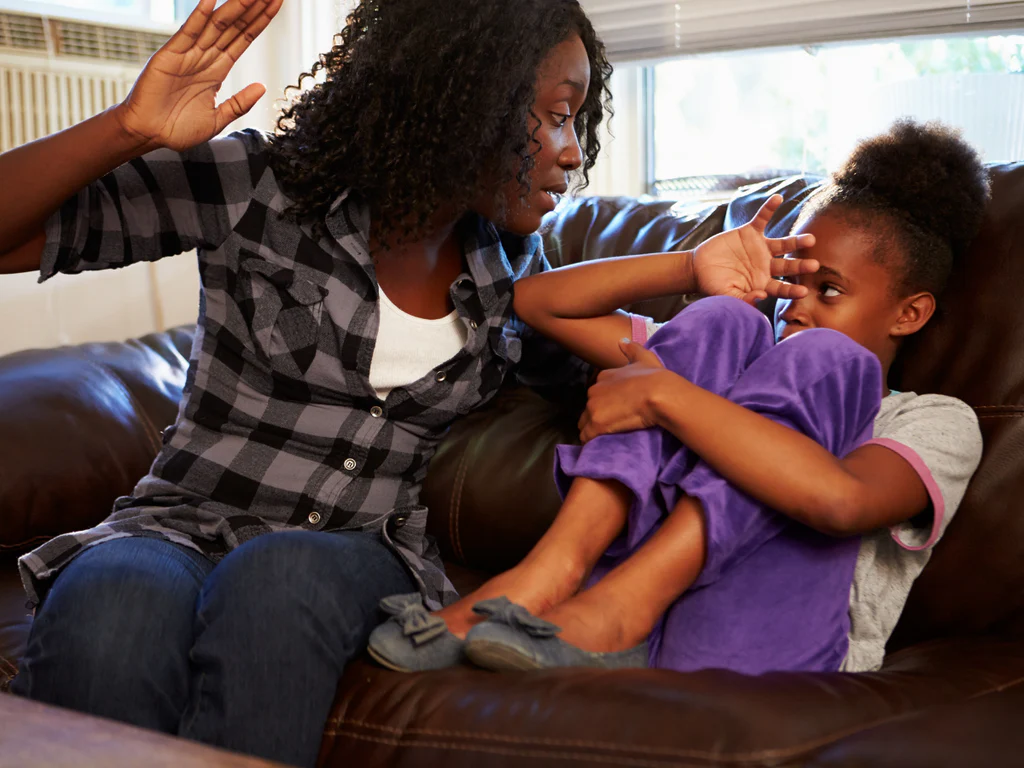
When children are part of the picture, the situation often feels even more complex. Many women stay silent longer because they are trying to avoid more disruption, protect routine, or keep life manageable. At the same time, children are affected by fear, tension, unpredictability, and conflict even when adults think they are hiding it well.
This does not mean every child responds in the same way. Some become anxious. Some become quiet. Some show anger, sleep changes, clinginess, or difficulty concentrating. What matters is recognising that children’s wellbeing is shaped not only by what they are told, but by the atmosphere they are living in.
Thinking about safety for children does not require a perfect answer immediately. It starts with noticing how the environment is affecting them and understanding that their emotional safety matters just as much as practical routine.
Signs it may be time to seek help now, not later
Women often wait because they hope things will calm down, improve, or become clearer. Sometimes waiting brings clarity. Sometimes it only increases risk and confusion. Certain signs suggest that outside help should not be delayed too long.
- You feel afraid of your partner or ex-partner even if you struggle to explain the fear to others.
- You are constantly adjusting your behaviour to avoid reactions and feel like you are living in tension.
- The behaviour is becoming more controlling, more invasive, or more unpredictable over time.
- Children are being affected by the atmosphere through fear, stress, confusion, or exposure to conflict.
- You keep minimising the situation even though part of you knows it is getting harder to cope.
If these signs are present, reaching out is not an overreaction. It is a practical response to a pattern that may be unsafe.
FAQ about domestic violence support in New Zealand
Does domestic violence always mean physical violence?
No. Domestic violence support in New Zealand may be relevant in situations involving emotional abuse, coercive control, threats, intimidation, stalking, financial abuse, isolation, or sexual abuse as well as physical violence. Harmful control can be deeply serious even when there are no visible injuries.
What should I do first if I think my situation is becoming unsafe?
The first steps are often practical: tell a trusted person, keep important information accessible, write down incidents if it is safe to do so, and seek specialist support for guidance. You do not need to have every future decision figured out before reaching out.
What is a safety plan?
A safety plan is a simple way of thinking ahead about what you would do if risk increased. It may include trusted contacts, a safer place to go, essential items, emergency communication, and practical steps that reduce panic if the situation escalates.
Should I seek legal advice if there is abuse but I am not sure what I want to do yet?
Yes, that can still be helpful. Legal advice does not force you into one immediate path. It can simply help you understand your options, reduce confusion, and avoid rushed decisions, especially if separation, children, housing, or ongoing contact are involved.
Why do women often delay asking for help?
Many women delay because abuse affects confidence, creates fear, increases dependence, and makes decision-making harder. Shame, hope that things will improve, concern for children, and financial pressure can all play a role. Delay does not mean the problem is not serious. It often means the situation is more complex than it looks from the outside.